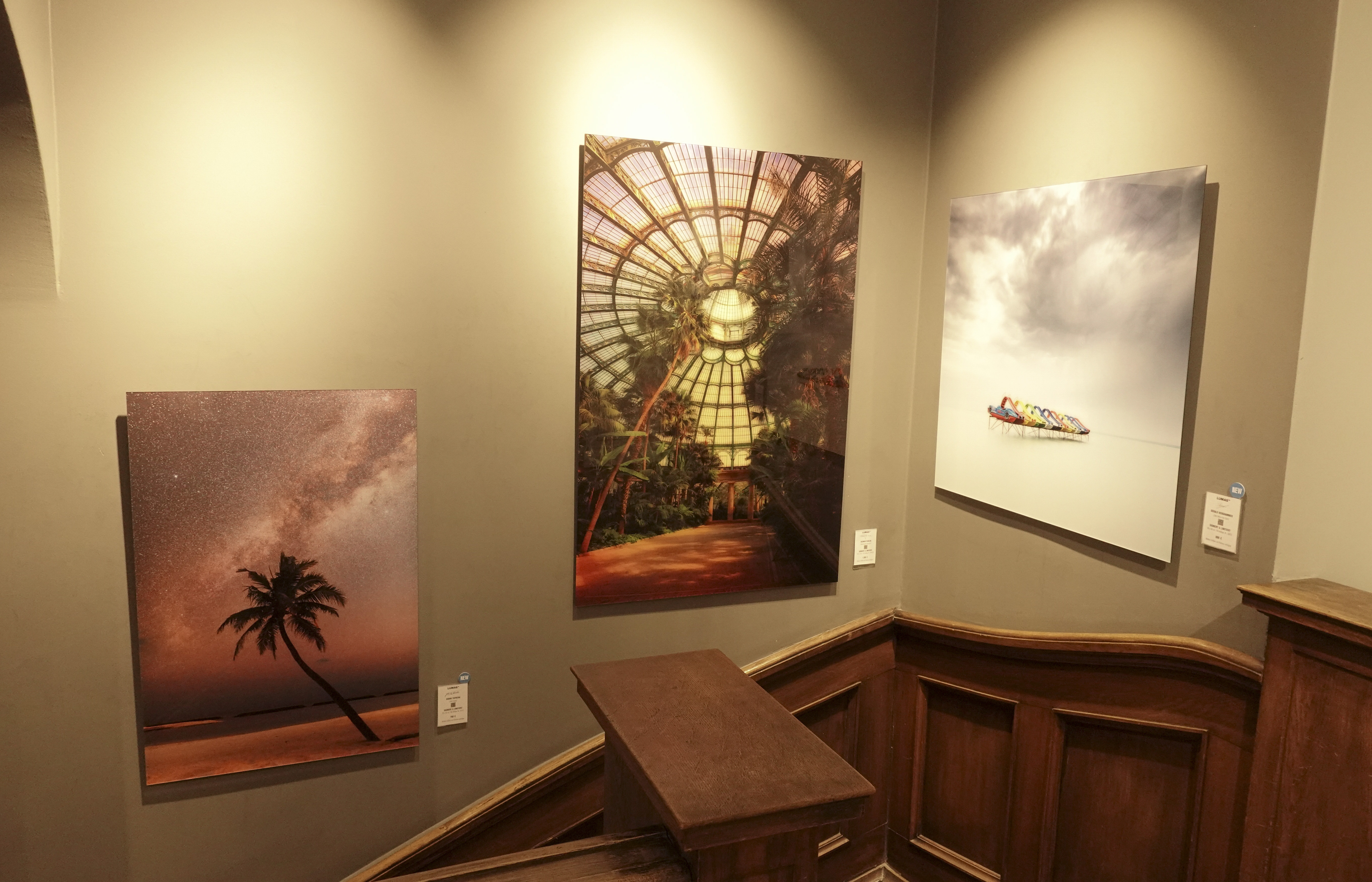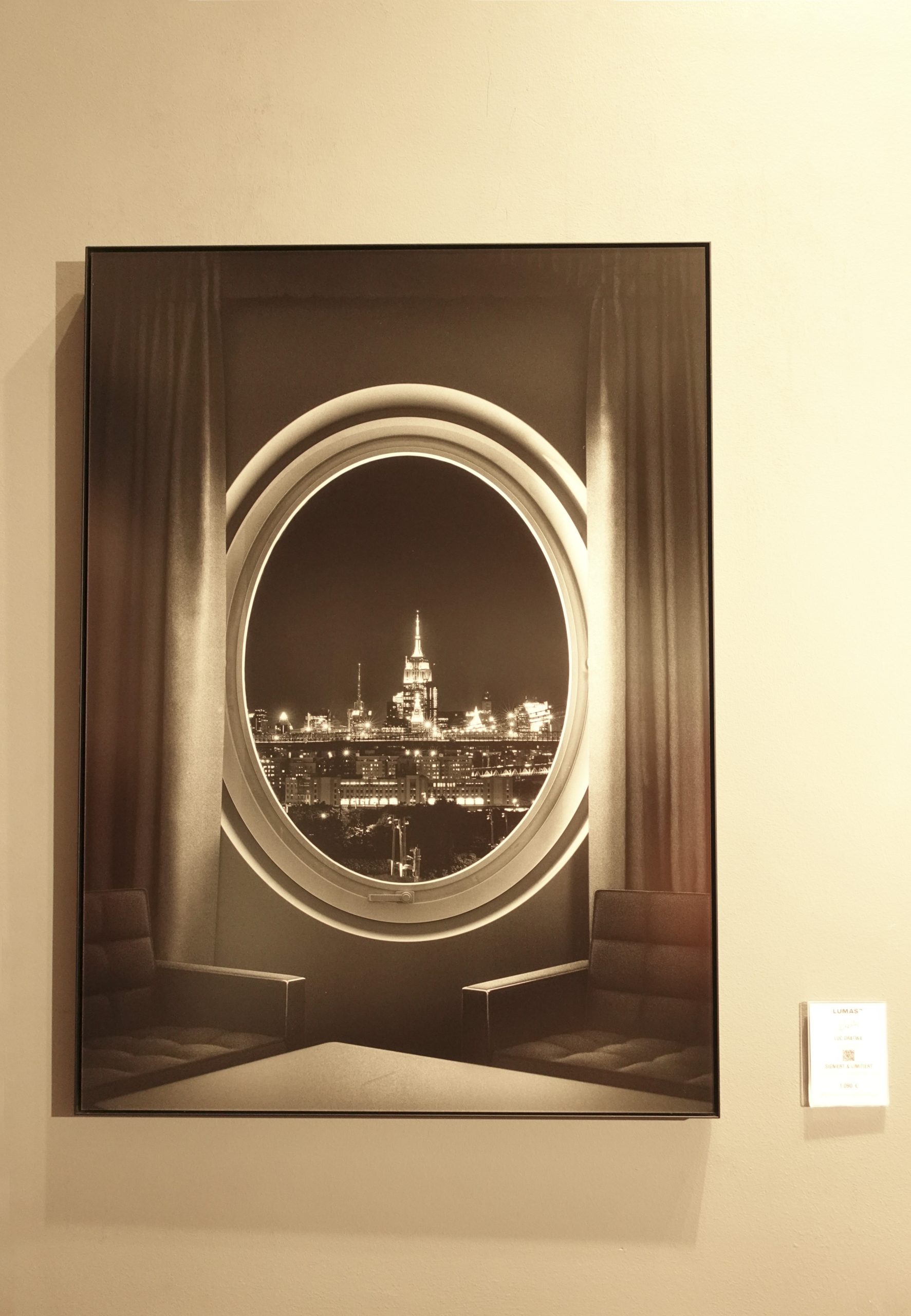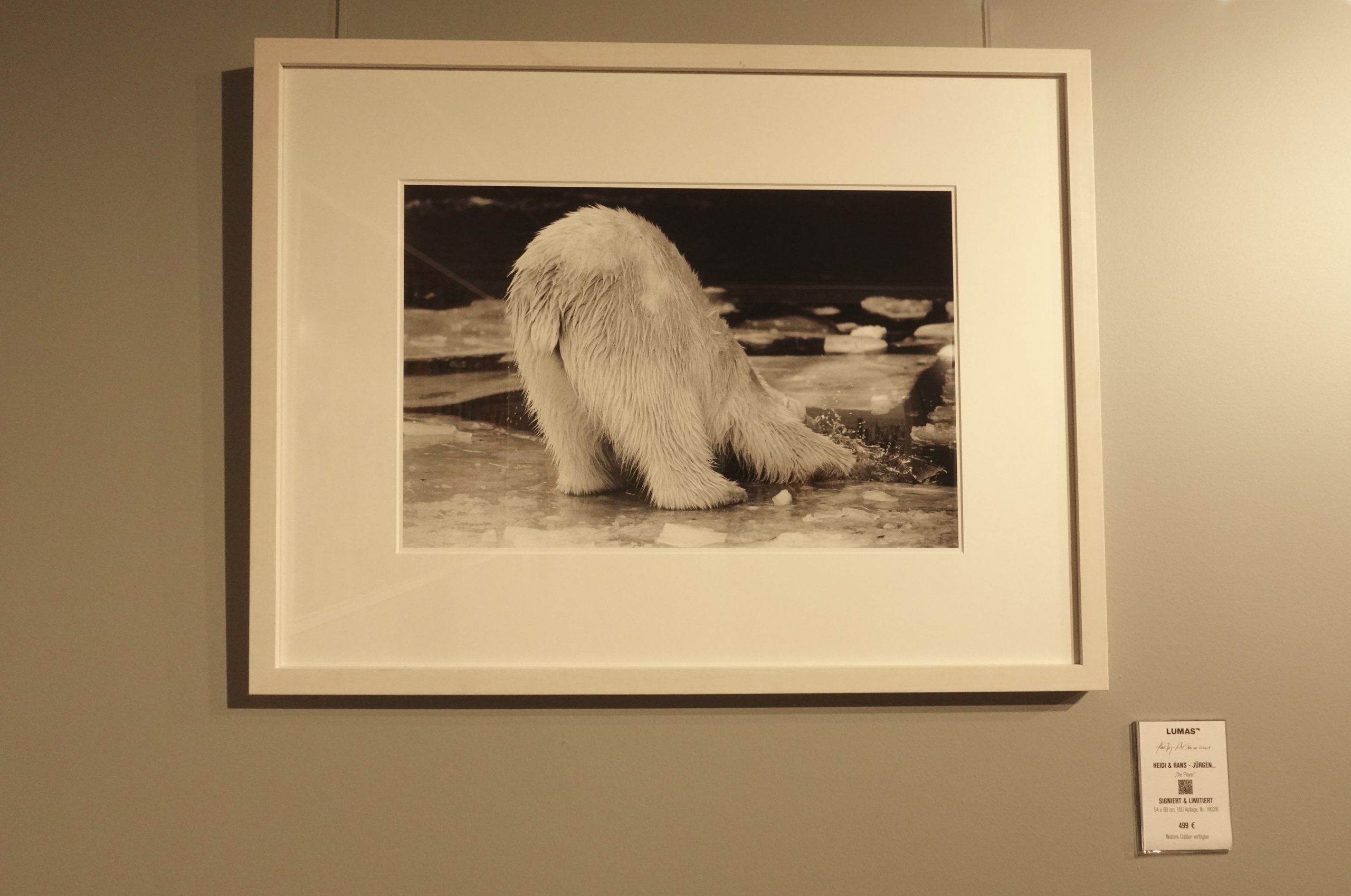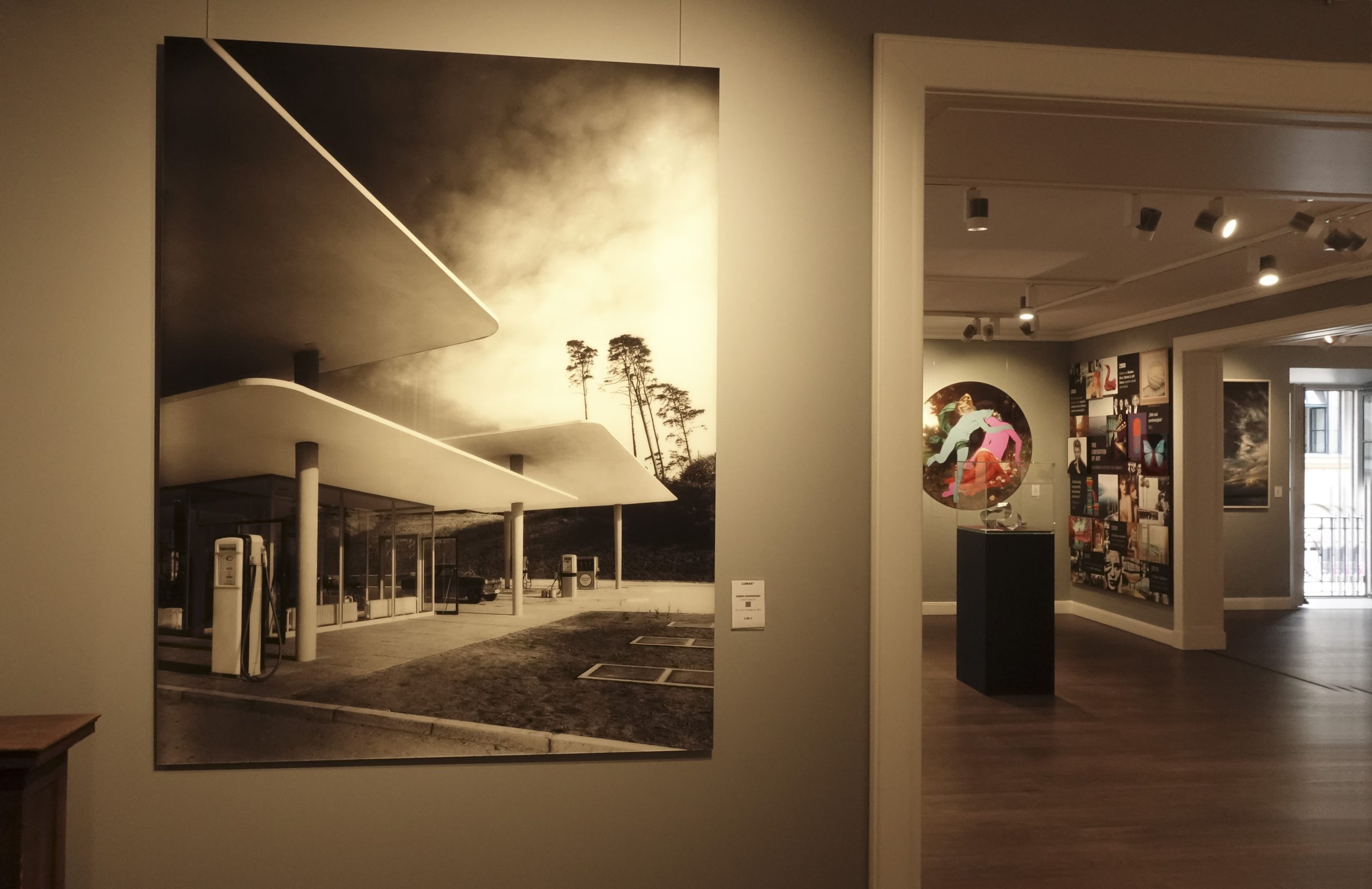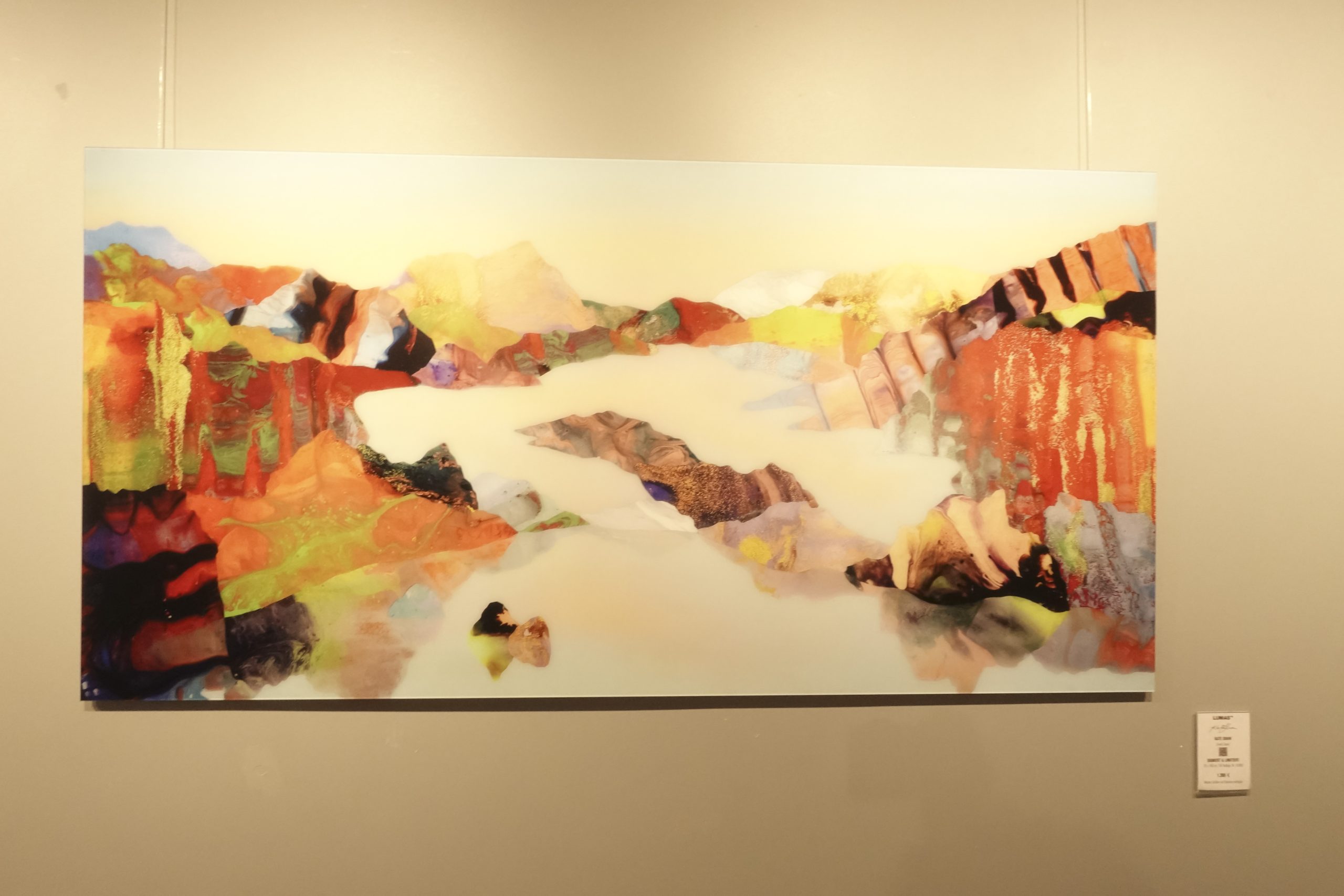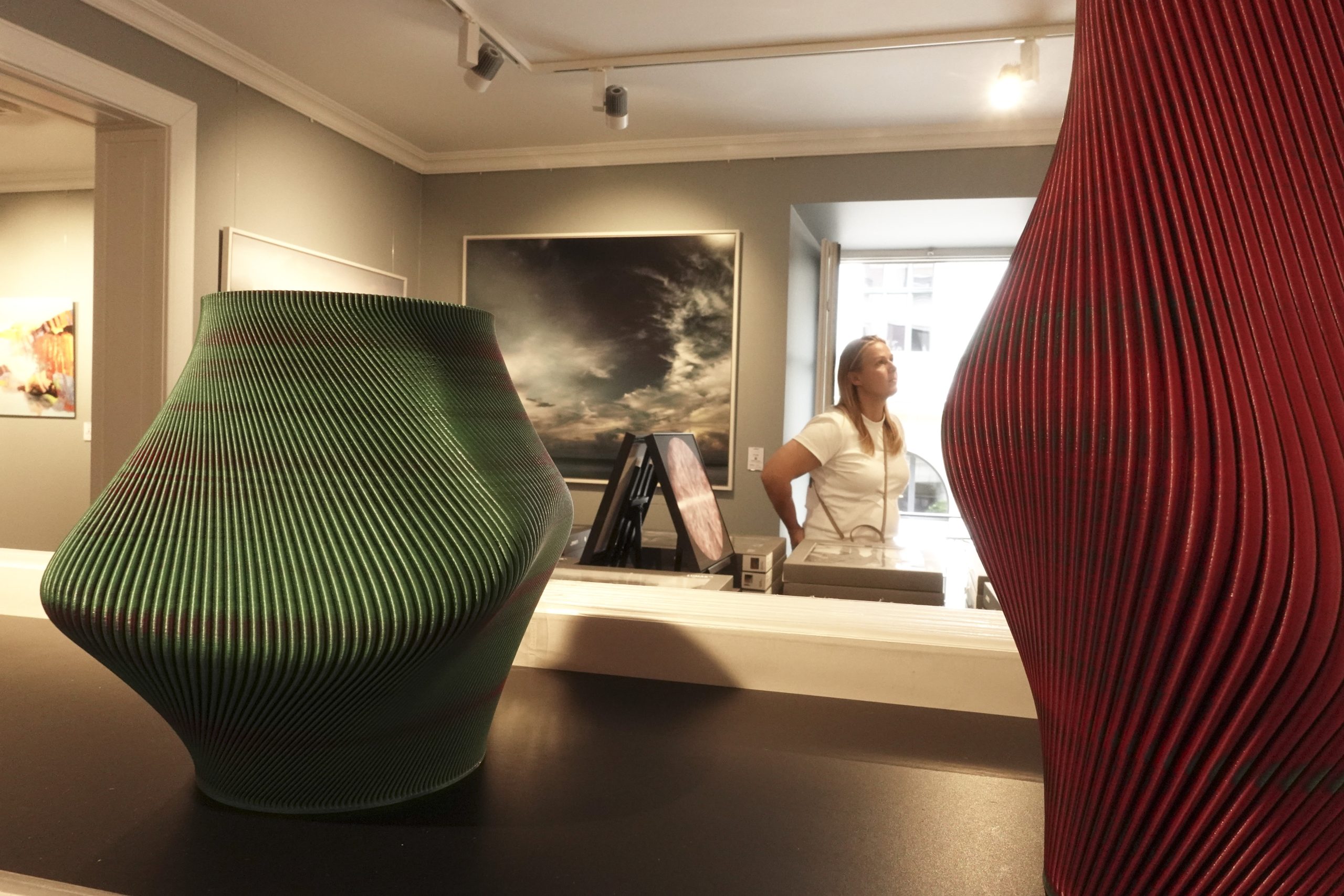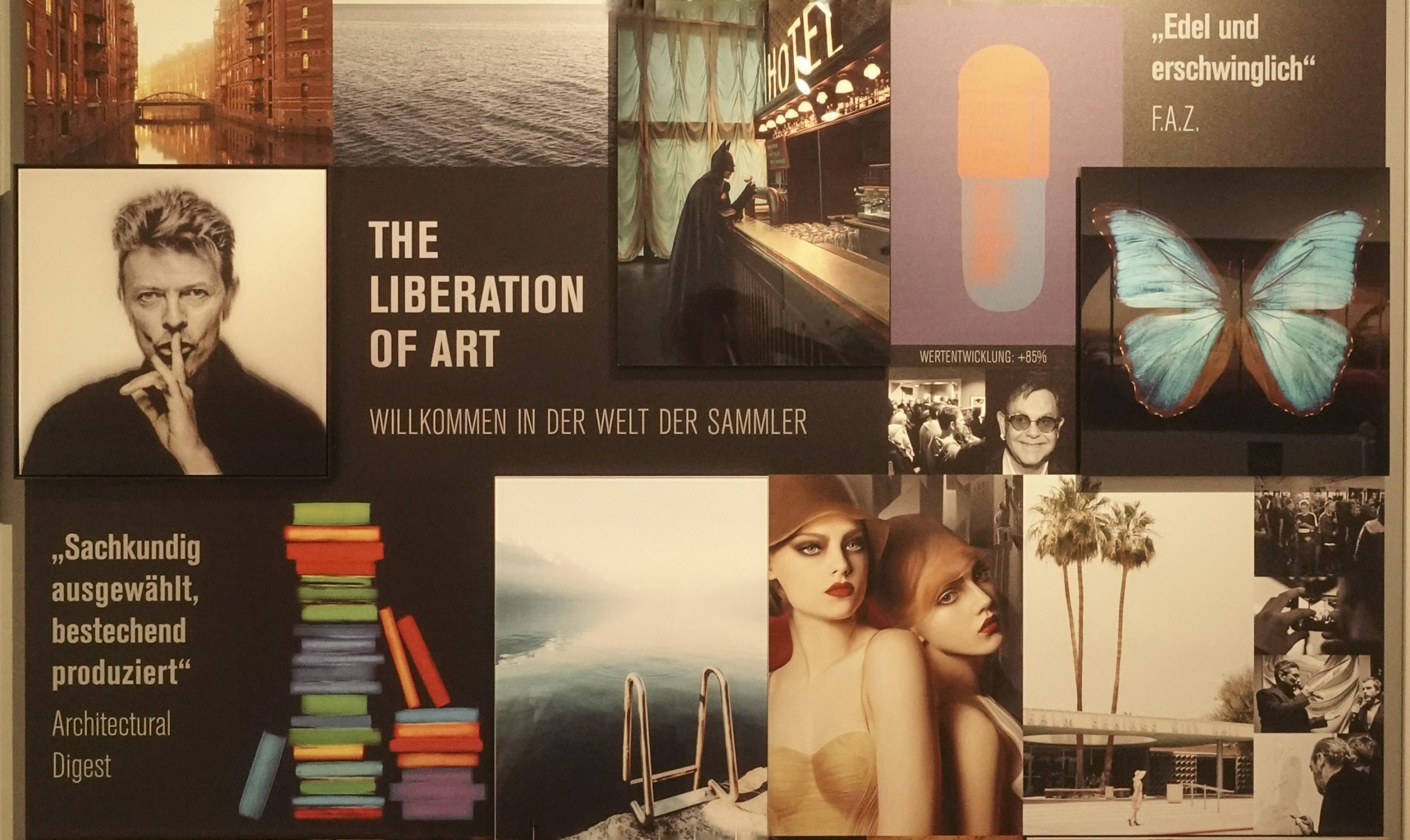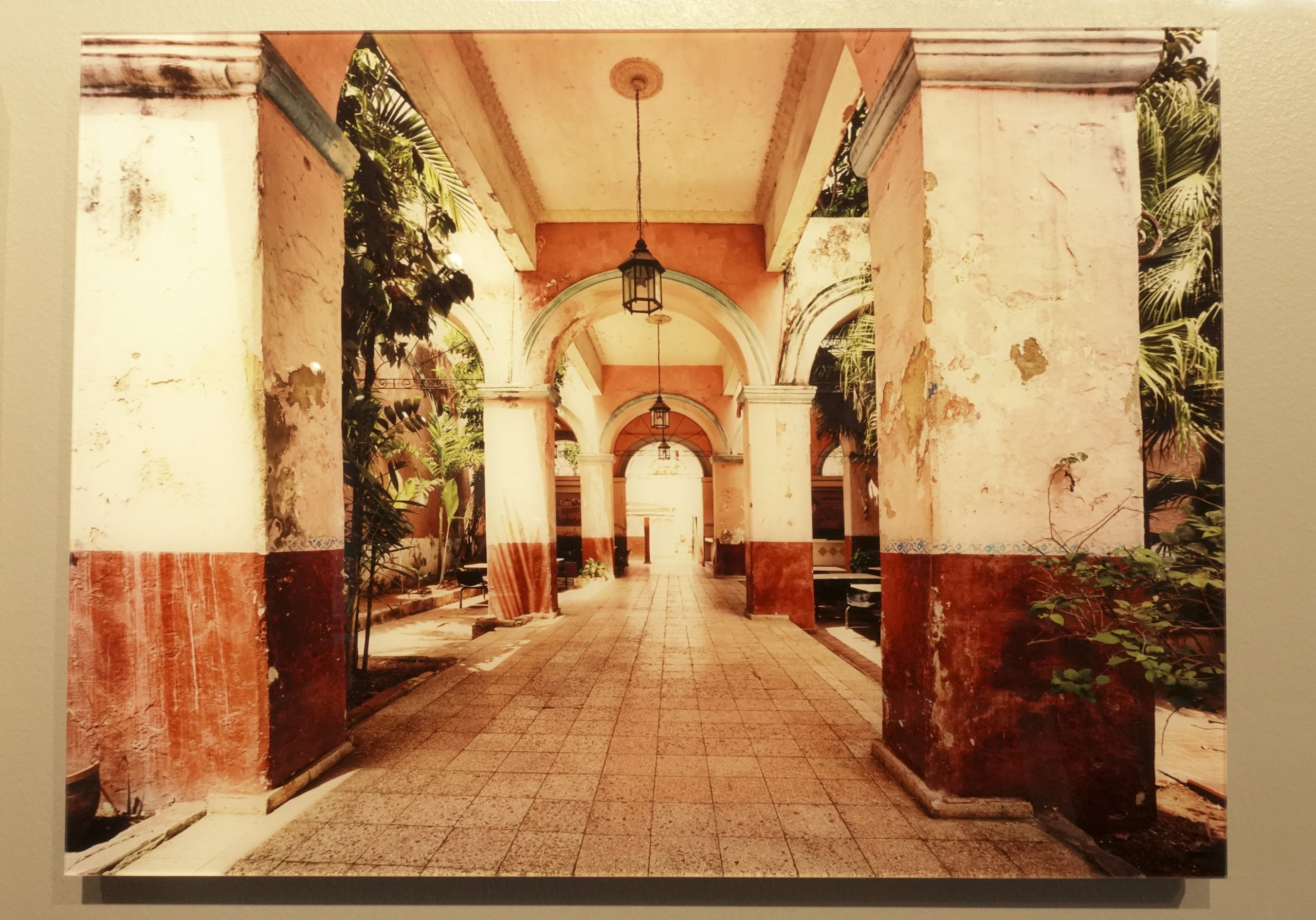
In early July 2026, I visited my son’s family in Bavaria. I had only one free morning, and I decided to devote it entirely to photography and contemporary art. My destination was LUMAS Munich, located at Brienner Straße 3, just a short walk from Odeonsplatz and the historic Munich Residenz, once home to the Bavarian rulers of the Wittelsbach dynasty.
I expected to see a carefully curated collection of fine art photography. What I discovered was far more than that—a space where photography, digital art, and contemporary design exist in perfect harmony.
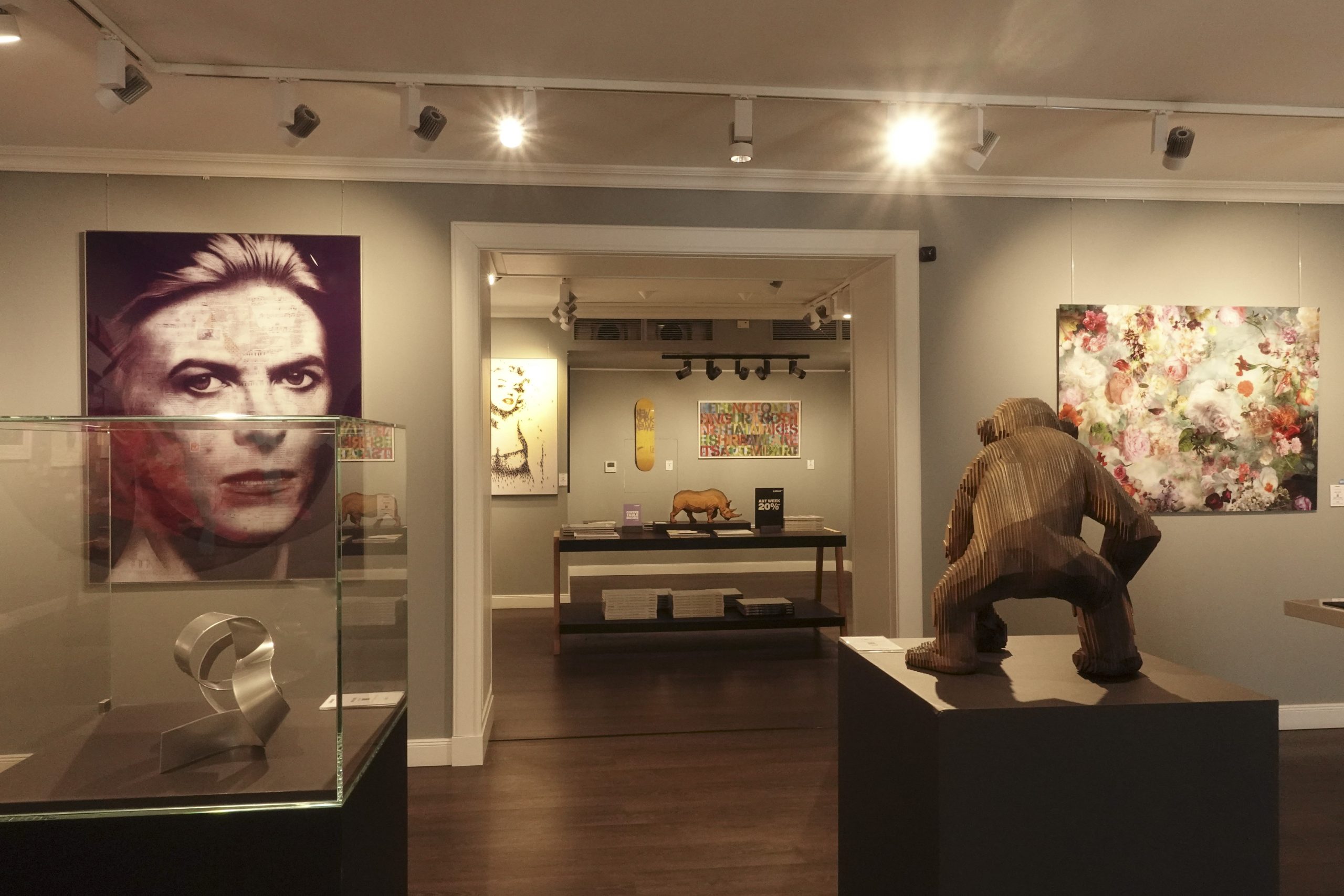
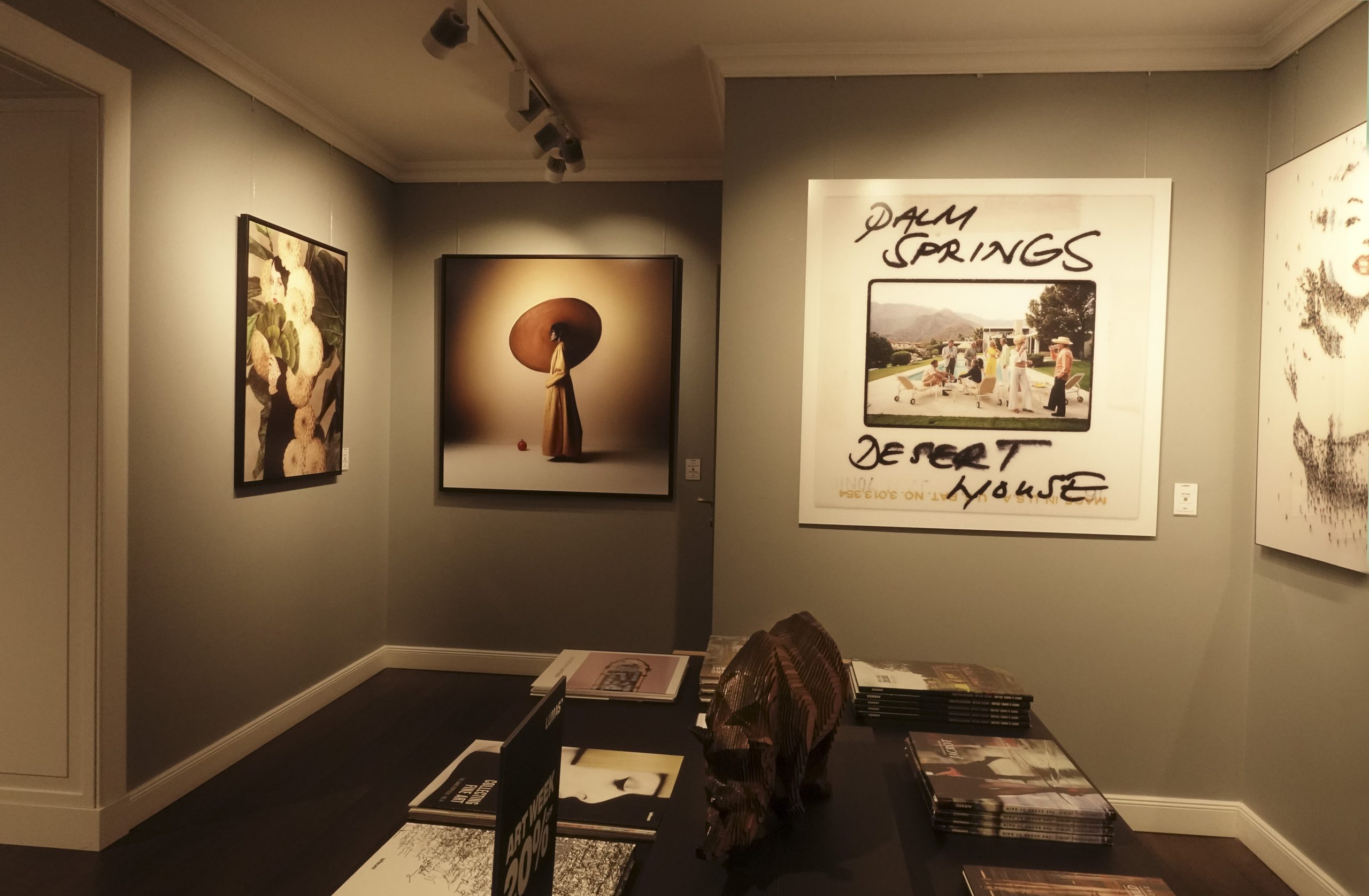
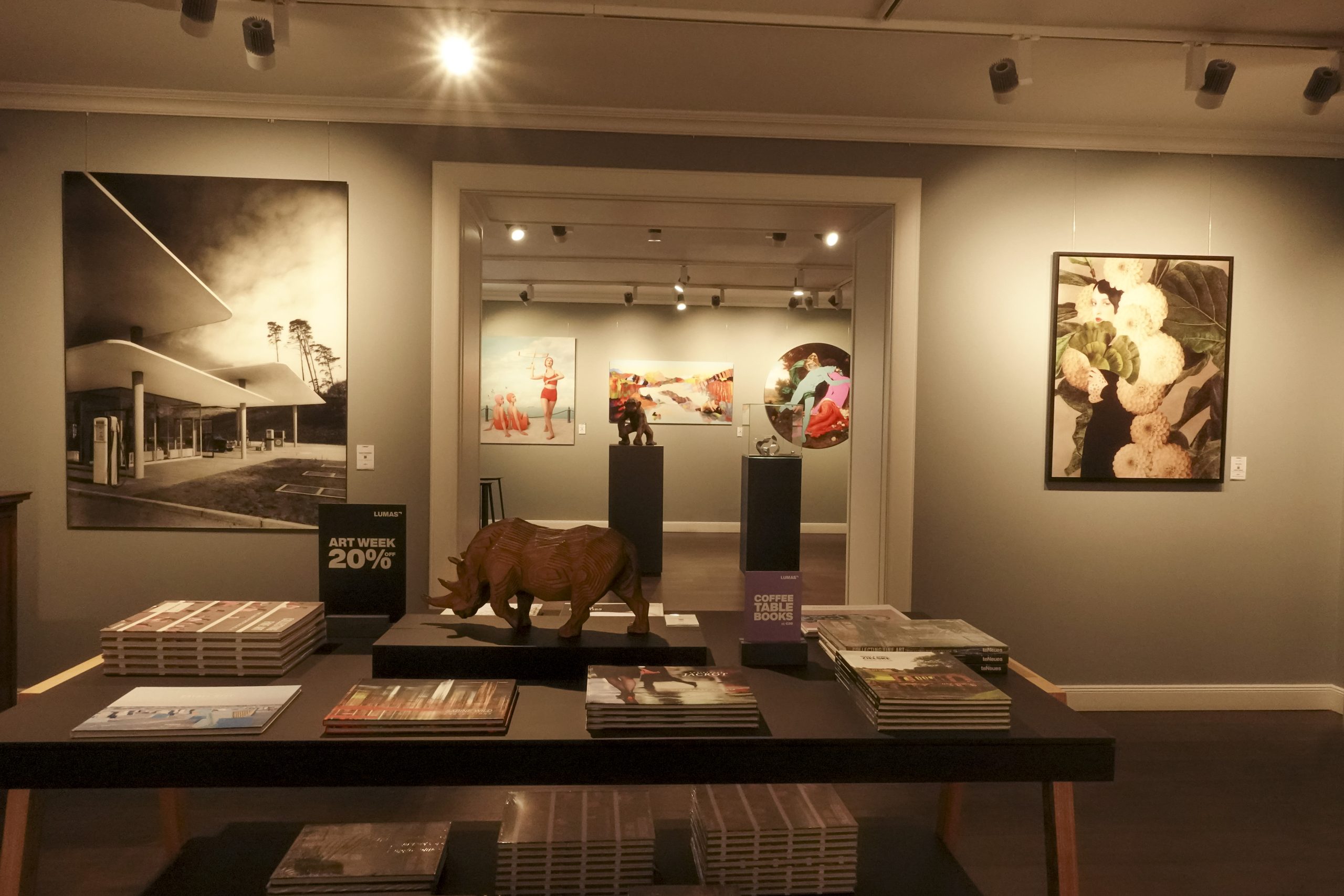
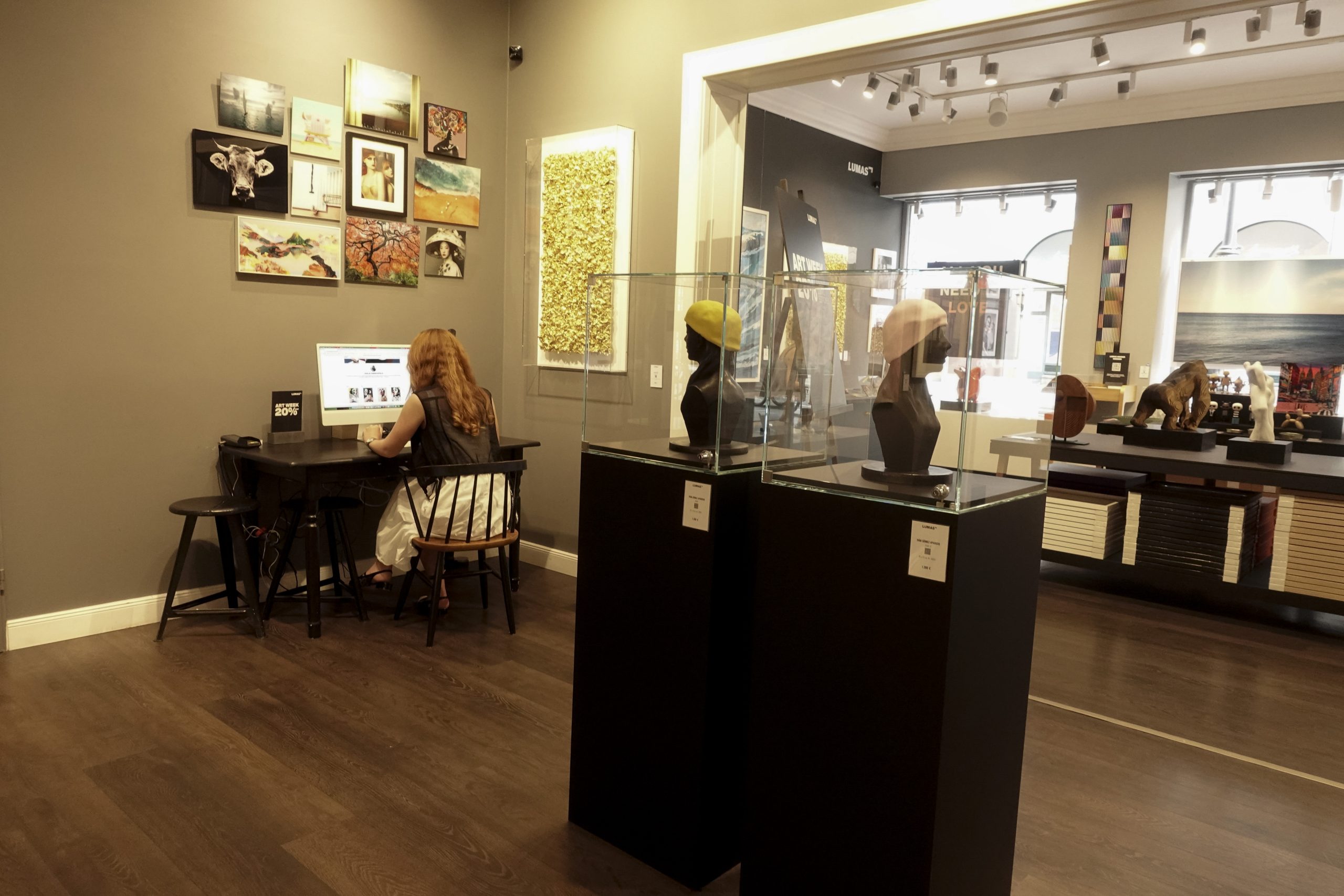
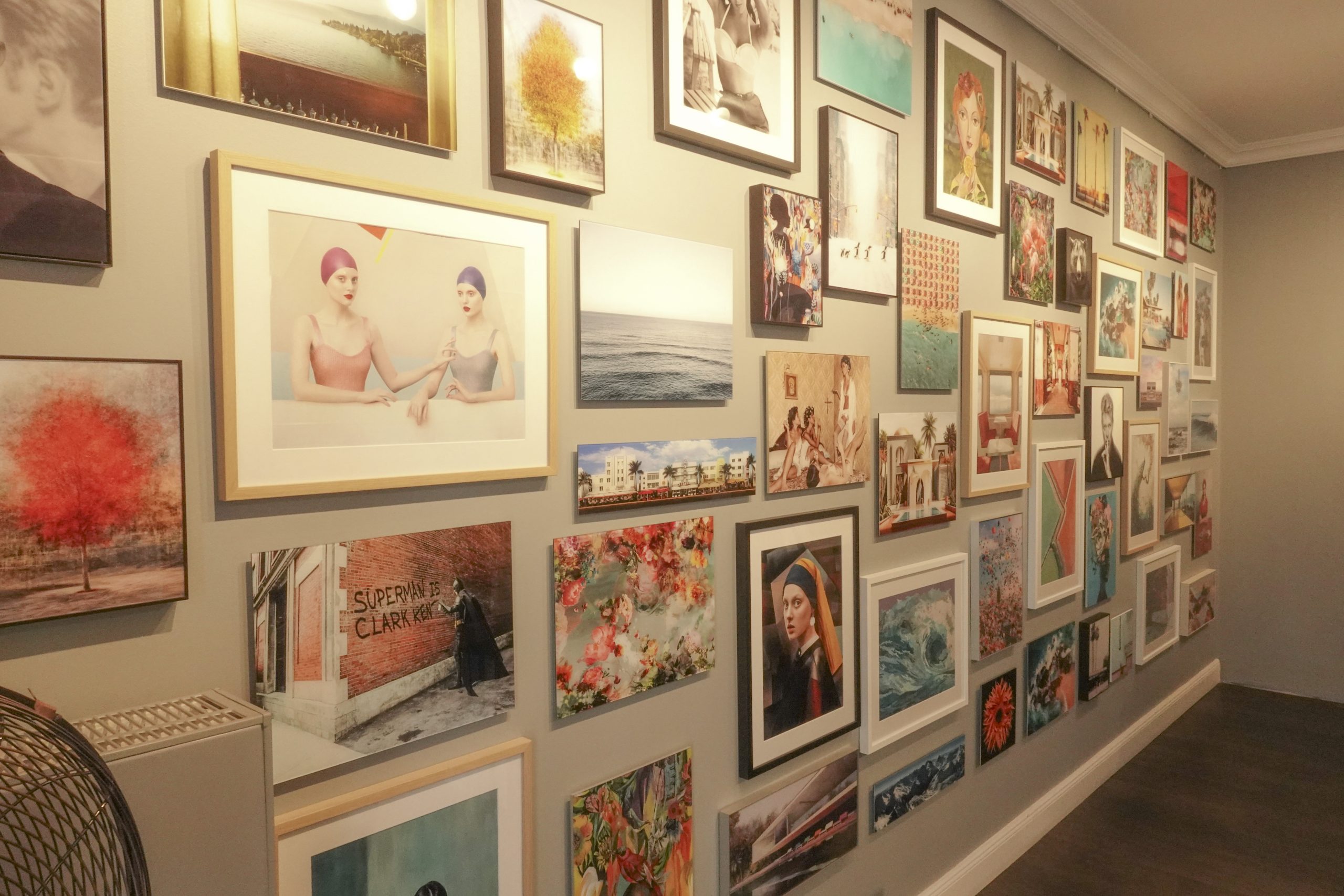
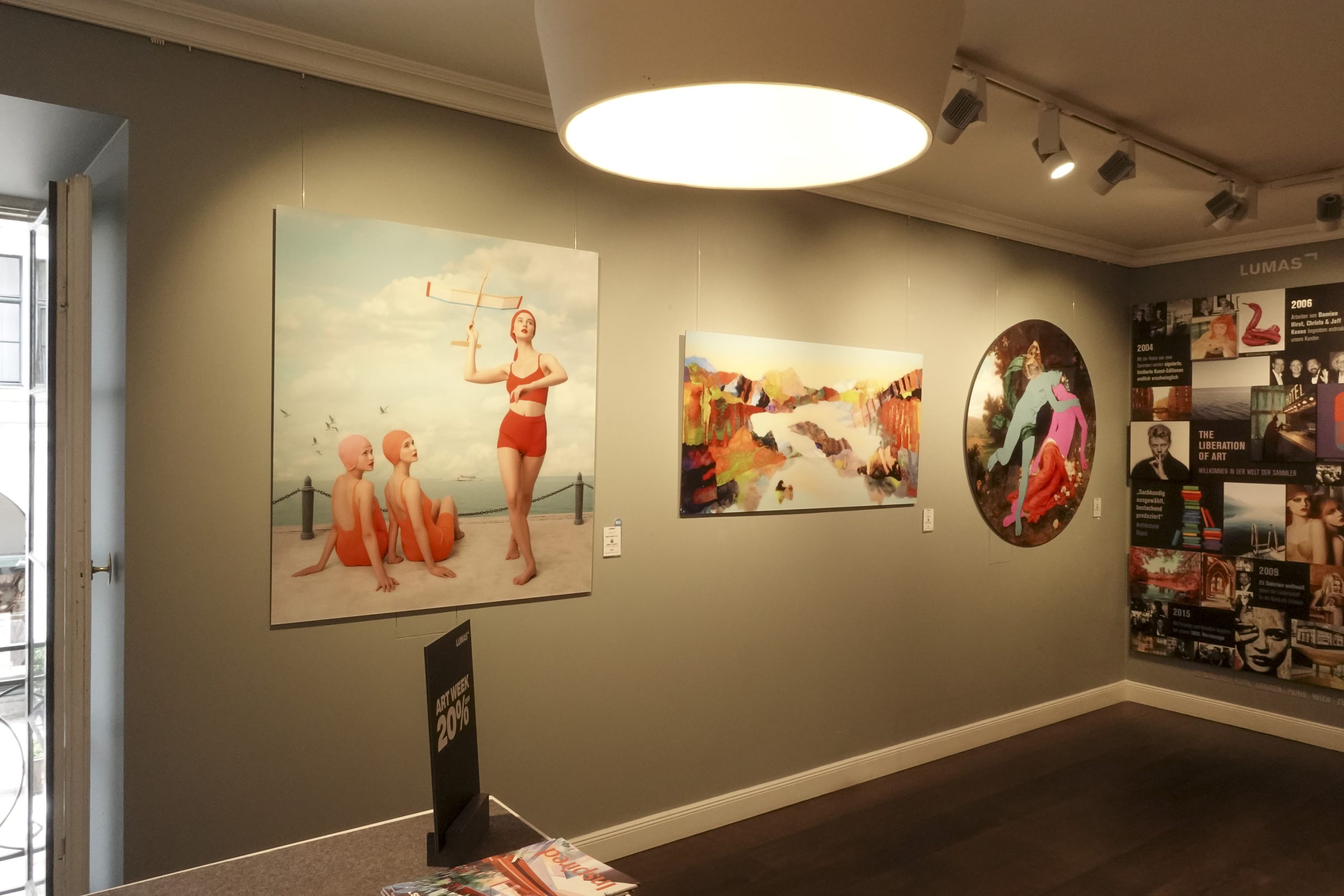
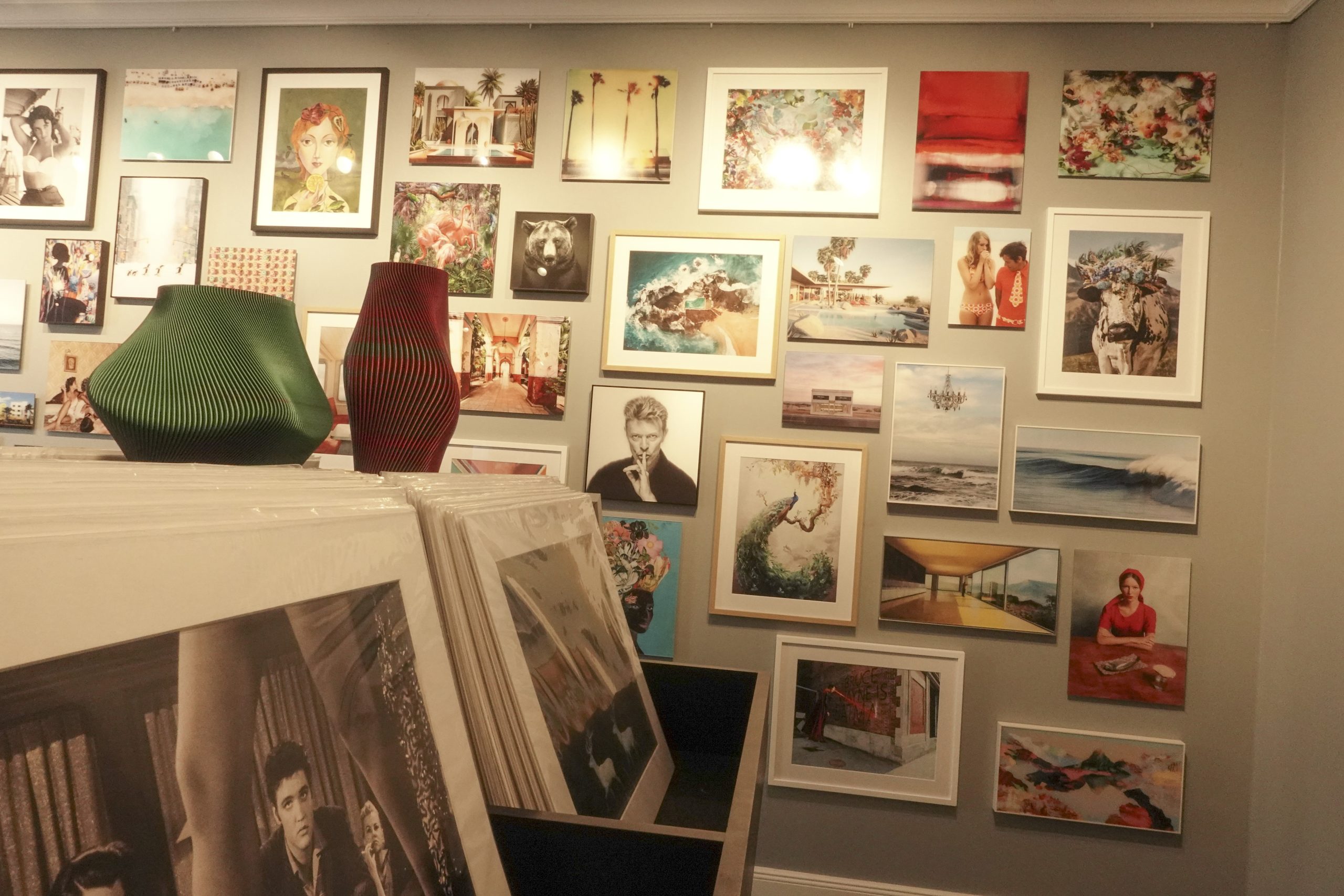
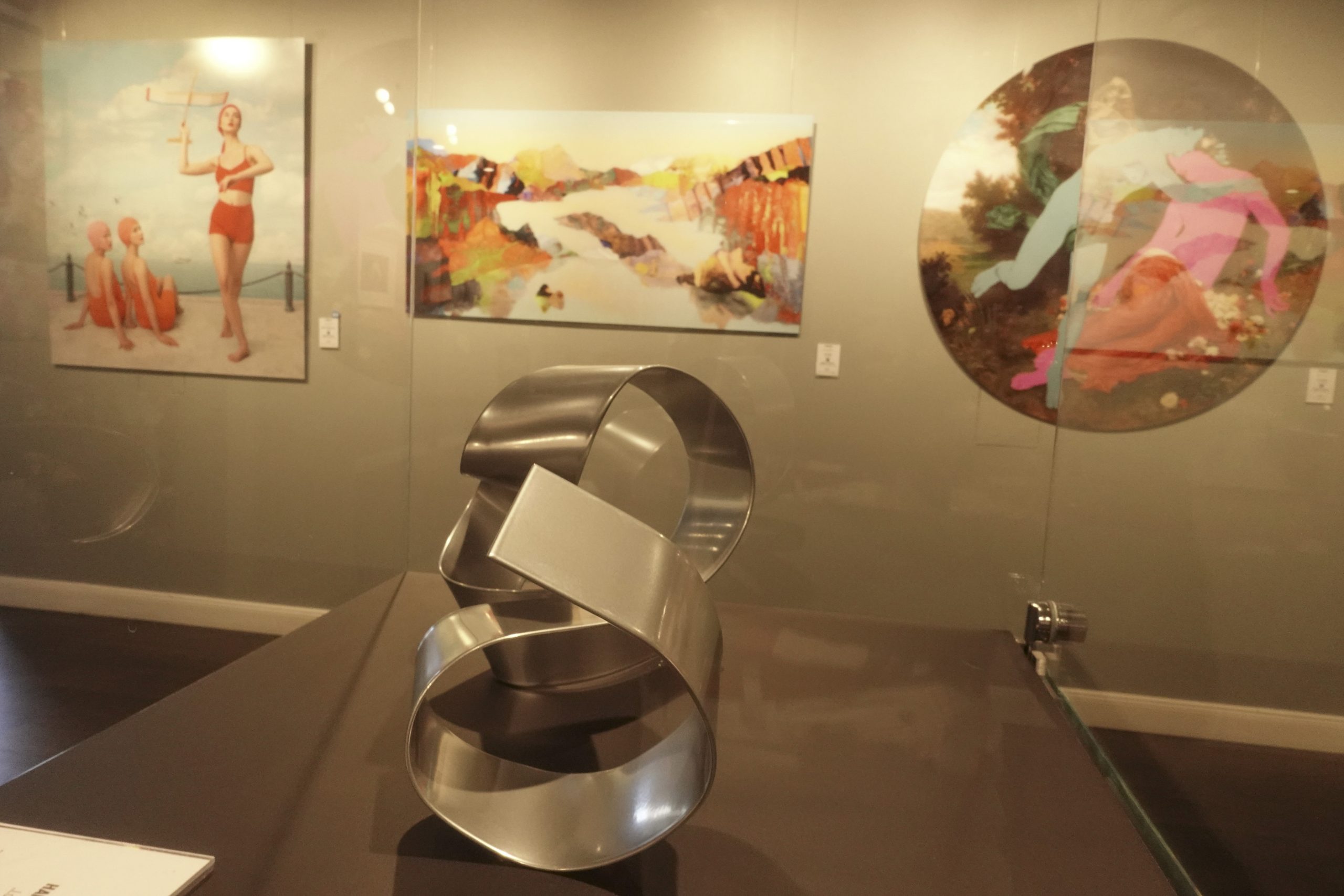
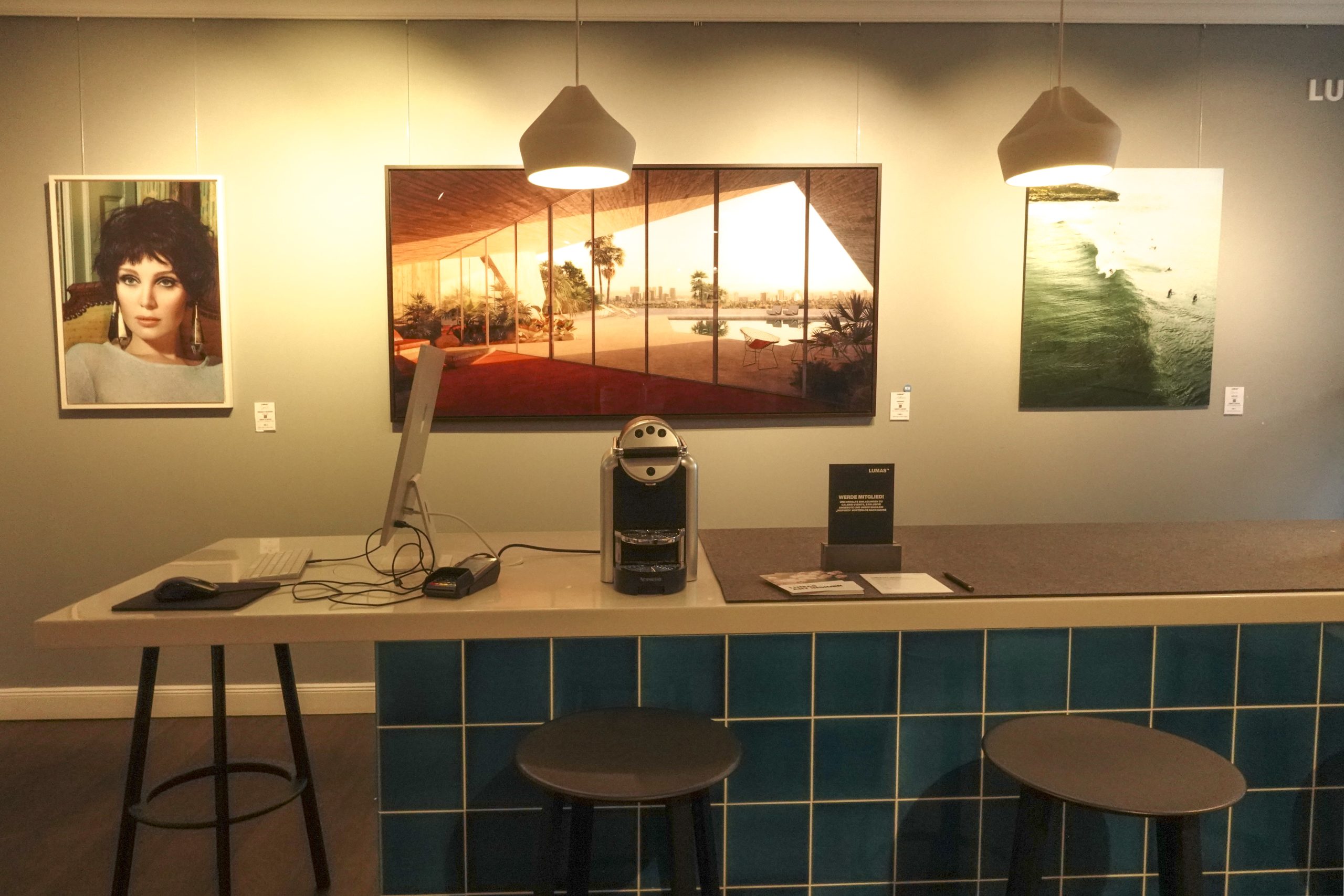
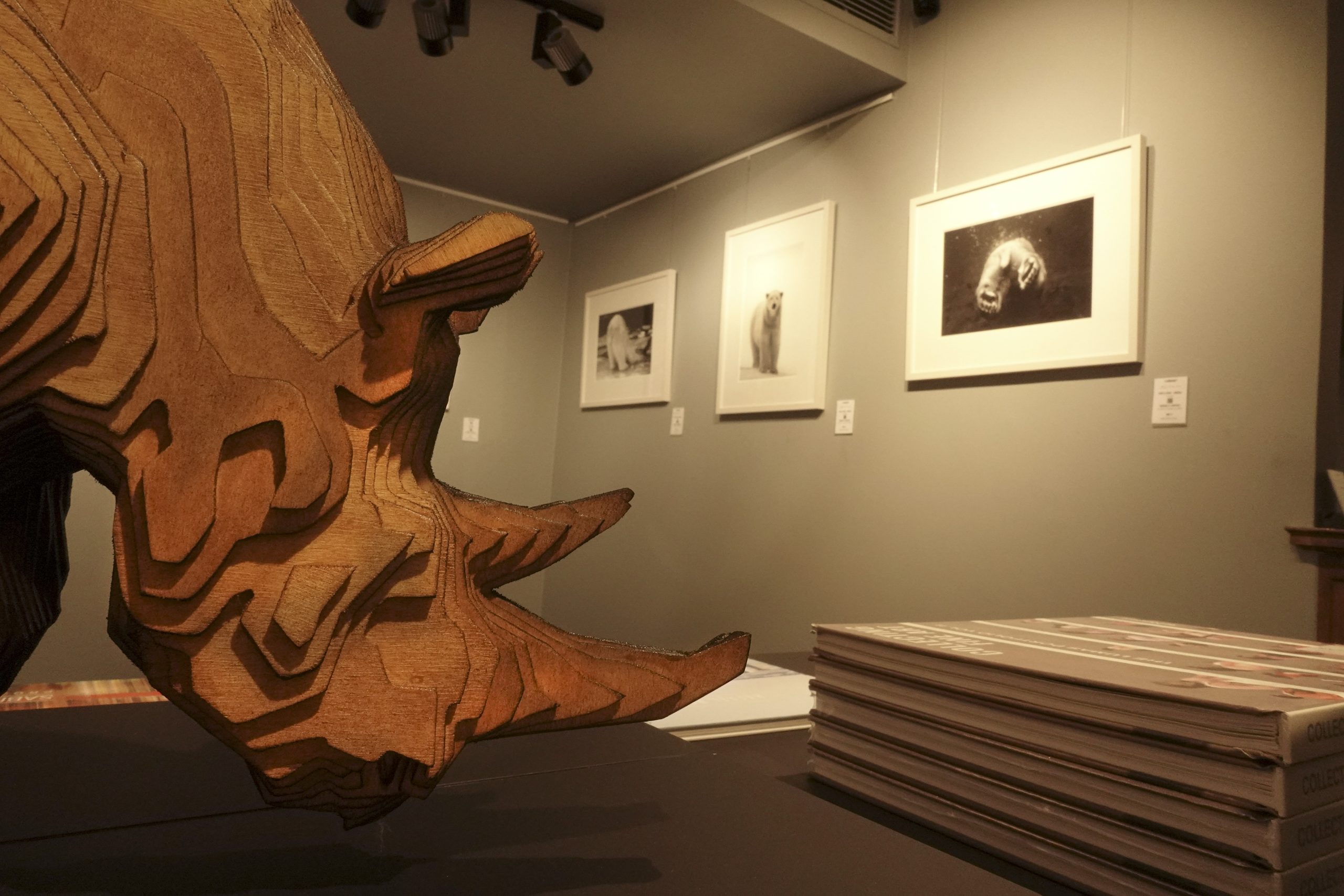
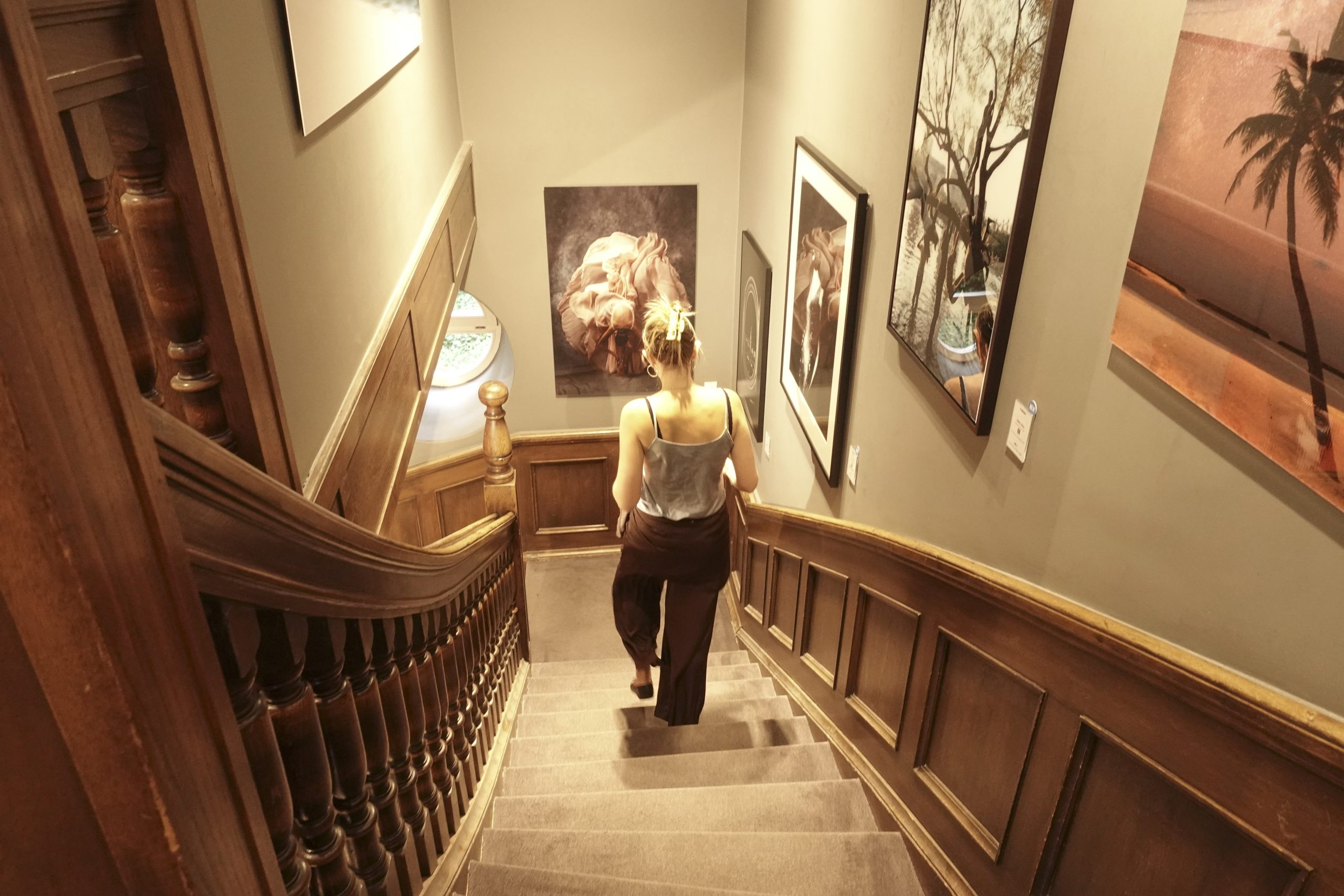
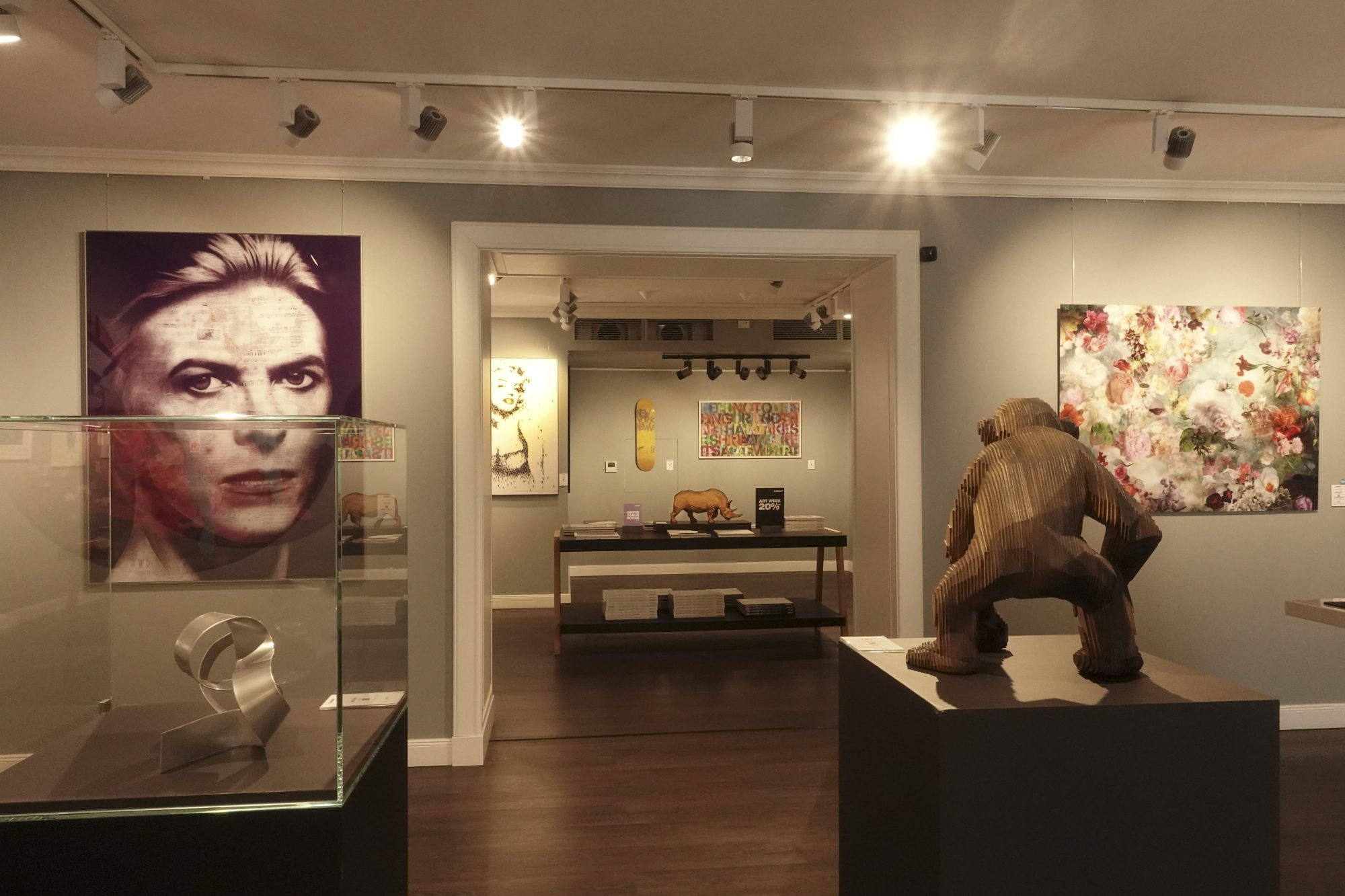
My first impression was one of exceptional professionalism. Every artwork is given its own visual presence. The lighting, scale of the prints, framing, and spacing all reflect a clear curatorial vision. Spread across two levels, the gallery combines aluminium Dibond, fine art papers, black-and-white photography, painting, and digital prints into a remarkably balanced exhibition environment.
One of the highlights of my visit was the warm welcome from the gallery team. Alina, who was working that day, generously explained LUMAS’s philosophy, how new artists are selected, and why limited-edition photography has become increasingly attractive to collectors. Conversations like this transform a gallery visit into something much more meaningful than simply viewing an exhibition—they become genuine professional exchanges about art.
Founded in Berlin in 2004 by Ute Speidel and Stephan Geidel, LUMAS has redefined the way collectible photography is presented. Today the gallery network includes nineteen locations across Germany, France, the United Kingdom, Austria, Switzerland, Hungary, the United States, and Canada, representing more than 250 international artists.
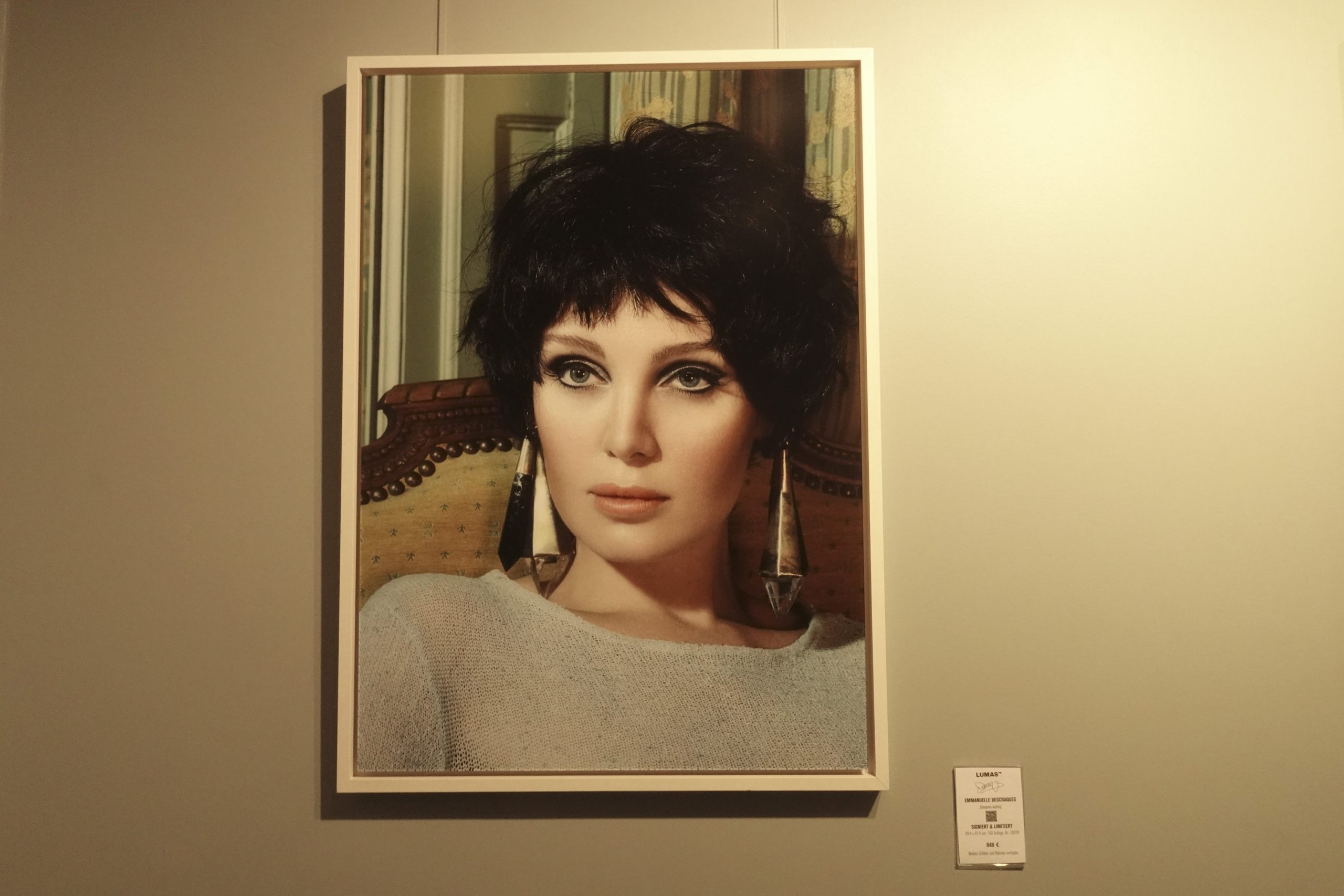
Each artwork is offered as a signed, limited edition accompanied by a certificate of authenticity. Production is carried out in partnership with WhiteWall, internationally recognized for its museum-quality printing and framing.
This philosophy has fundamentally changed the perception of photography among collectors. At LUMAS, a photographic print is no longer viewed merely as decoration but as an authentic work of contemporary art—signed, limited in edition, and possessing genuine collector’s value.
The first artwork that immediately caught my attention was “Irene’s Wave” by American artist Matthew Cusick. From a distance it resembles a magnificent painting of a breaking ocean wave. Only upon closer inspection does its true nature emerge—a meticulously crafted collage composed of thousands of microscopic fragments cut from vintage maps and atlases. This remarkable transformation of familiar materials into an entirely new visual reality makes the work deeply captivating.
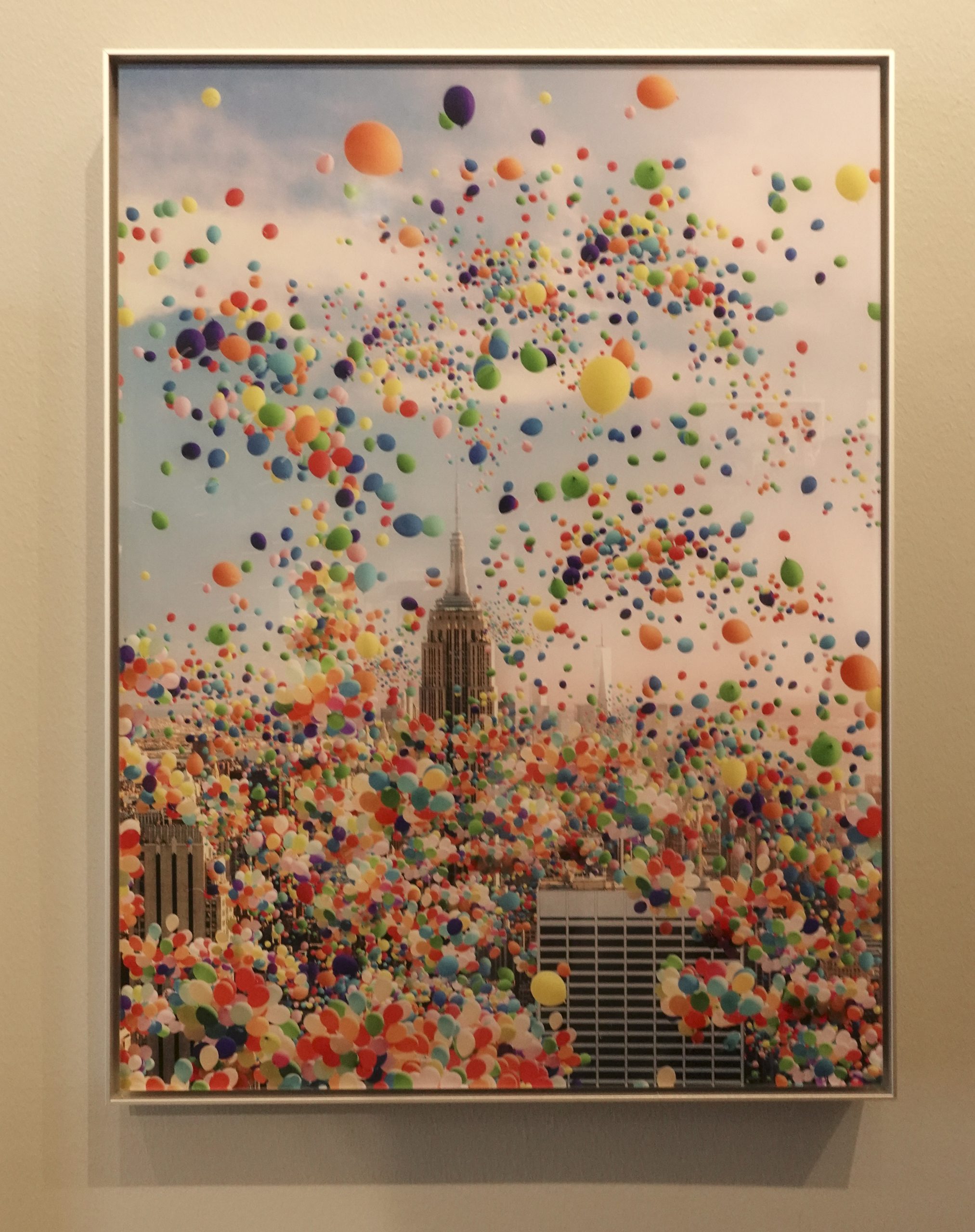
I was equally delighted to encounter works by Robert Jahns (Nois7), whose digital compositions I have admired for years. His imaginative worlds—floating balloons above iconic cities or playful penguins wandering through urban landscapes—combine flawless technical execution with wit, poetry, and an unmistakable sense of wonder.
Among the most fascinating works in the gallery were the lenticular portraits of David Bowie by British photographer Gavin Evans. Created from several photographs taken in 1995, the images are digitally divided into microscopic strips and precisely interwoven before being covered with a sheet of microscopic lenses. As the viewer changes position, the portrait appears to move, creating an extraordinary illusion of depth, volume, and changing facial expressions.
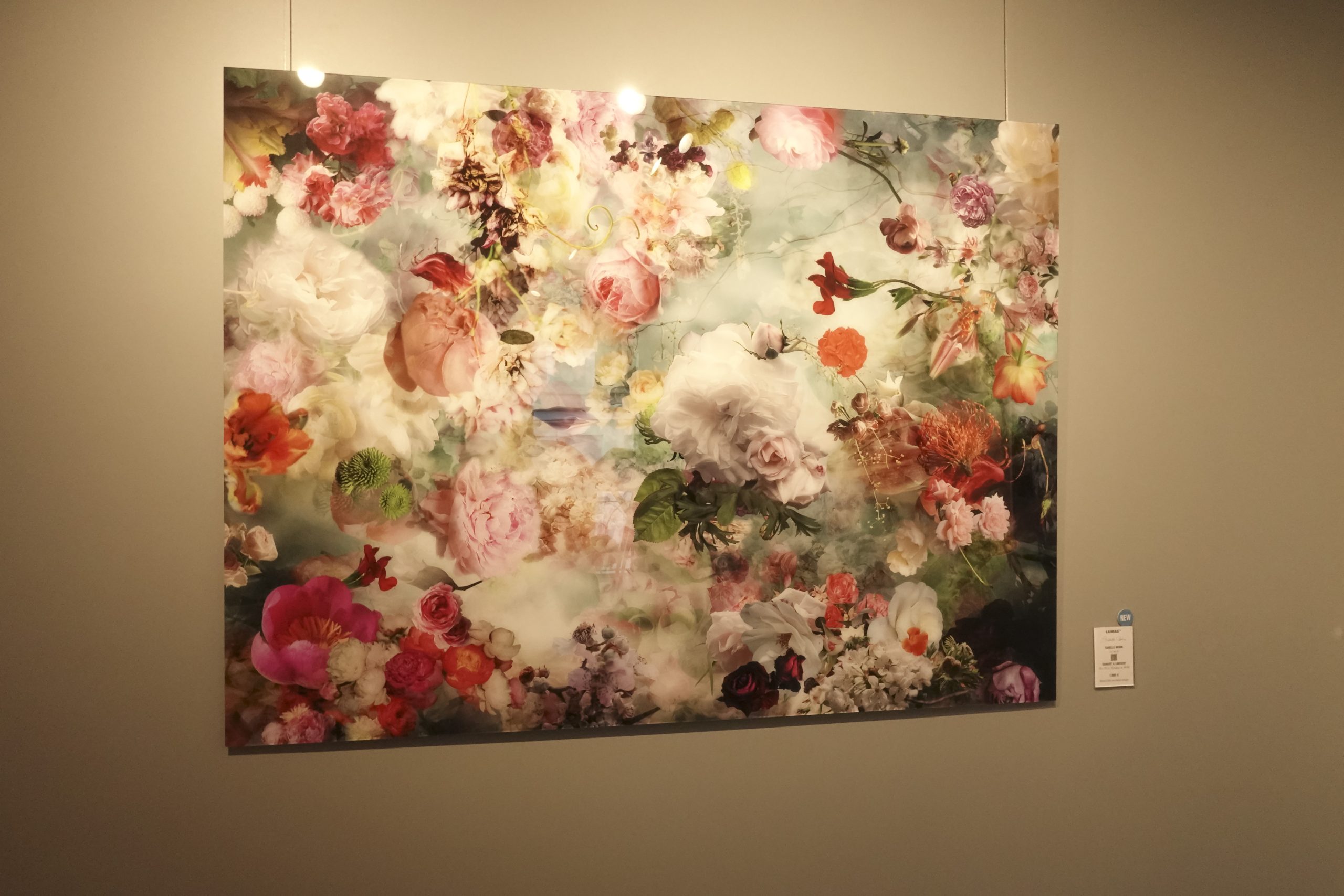
The work that impressed me most, however, was “The Lake 04” by Belgian artist Isabelle Menin. At first glance it resembles a Baroque oil painting, yet it is actually composed of hundreds of digitized photographs of flowers assembled into an intricate multilayered collage. The dramatic atmosphere, subtle light, and remarkable spatial depth reveal the influence of the Flemish masters while demonstrating the extraordinary expressive potential of contemporary digital technology.
I immediately felt connected to her work. Its richness of colour and refined elegance resonate strongly with many of my own artistic interests. Naturally, I began comparing her visual language with my own UNIVERSE series, where flowers and natural forms also become the building blocks of entirely new visual compositions.
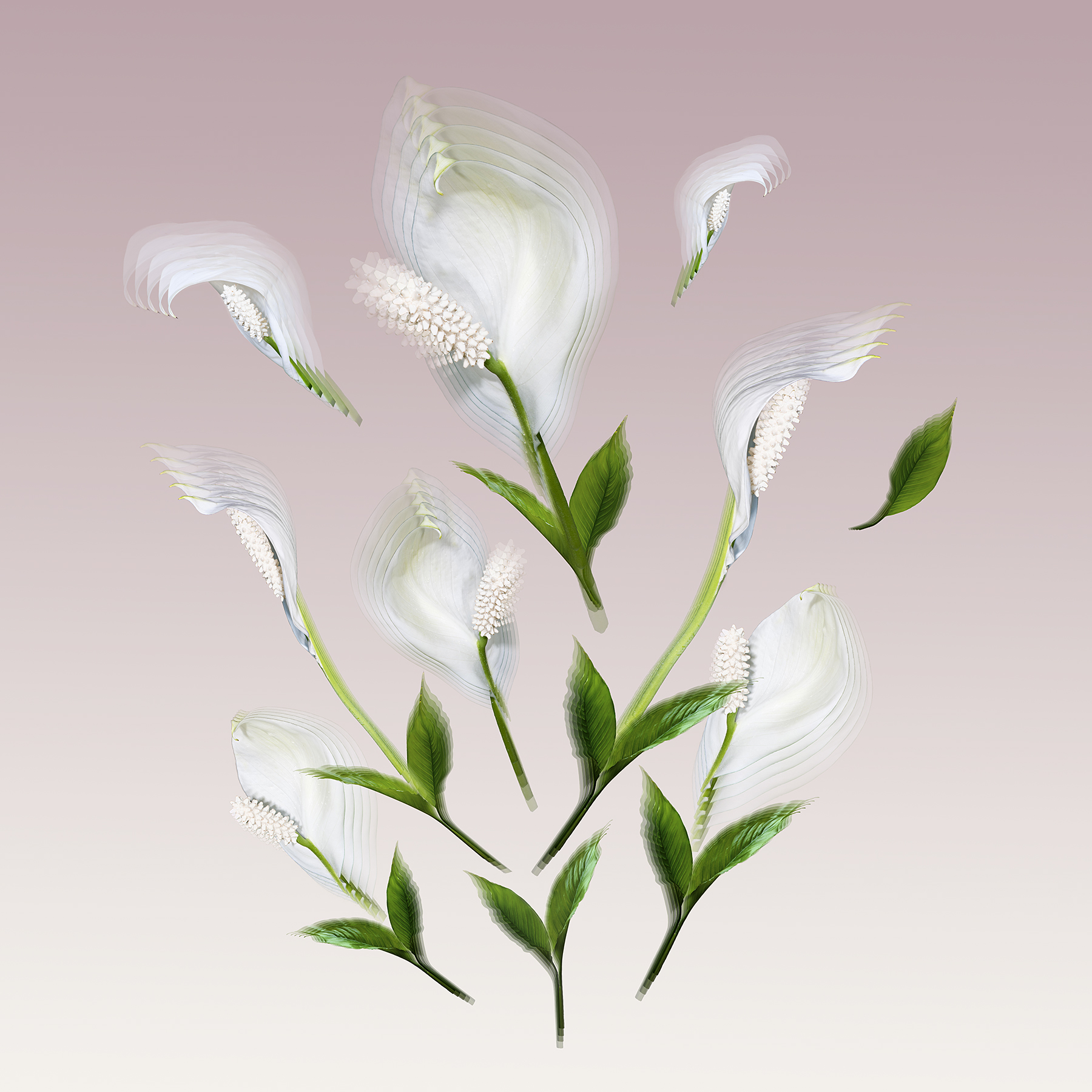
My artistic approach, however, follows a different path. I create original macro photographs, often captured from directly above, using focus stacking to achieve exceptional sharpness and microscopic detail. These images then become the foundation for compositions inspired by Sacred Geometry—including the Flower of Life, the Golden Spiral, the Fruit of Life, and a variety of fractal structures.
Through the UNIVERSE series, I explore the visual power of symmetry and symbolism as a way of reflecting on interconnectedness, infinite energy, and the fractal structure of the universe.
Encountering Isabelle Menin’s work did not make me question my artistic direction. On the contrary, it reinforced my confidence and inspired me to continue developing UNIVERSE while remaining faithful to my own visual language.
I was also impressed by works from Patrizia Burra, Lilly Muth, and musician Ed Sheeran, who has successfully established himself as a visual artist alongside his music career.
Beyond contemporary photography, LUMAS also presents its LUMAS Master Editions, featuring works by internationally celebrated artists including Gerhard Richter, Damien Hirst, Christo, Takashi Murakami, Jeff Koons, and many others. This thoughtful dialogue between world-renowned masters and emerging artists gives the gallery a distinctive curatorial identity.
Another aspect that fascinated me was the extraordinary diversity of artistic approaches. Documentary photography, conceptual portraiture, minimalist landscapes, architectural imagery, digital compositions, and experimental techniques coexist naturally within the same exhibition. LUMAS imposes no stylistic boundaries. What matters most is the strength of the idea and the quality of its visual expression.
Walking through the gallery reminded me of the words of my teacher, Ivaylo Stoyanov, who studied photography in Germany. Early in my education, he taught me that contemporary photography should never be confined by traditional rules. Different techniques, media, and technologies can—and should—be combined whenever they serve the artistic concept. That philosophy profoundly shaped the way I think as an artist and gave me the confidence to develop my own visual language.
Before leaving, I purchased “Projections” by Sabine Wild, a beautifully produced photobook exploring architecture, urban environments, and the poetic transformation of light.
As I stepped outside LUMAS, I carried with me not only an inspiring photobook and dozens of photographs from my visit. I also carried something far more valuable—the feeling of having experienced a place where photography constantly expands its own boundaries.
For every artist, encounters like this are invaluable. They do not provide ready-made answers. Instead, they spark new ideas, encourage reflection, and inspire us to continue pursuing our own creative paths.
Here is a link to a YouTube video featuring my original photographs from the Lumas Gallery: https://youtu.be/f5iB7lvc9i